The "light and shadow" of Lake Toya seen from the perspective of architecture and civil engineering
It has been a year since we established our base in Toyako Town. We have been working on town development in this area from the perspective of architecture and civil engineering.
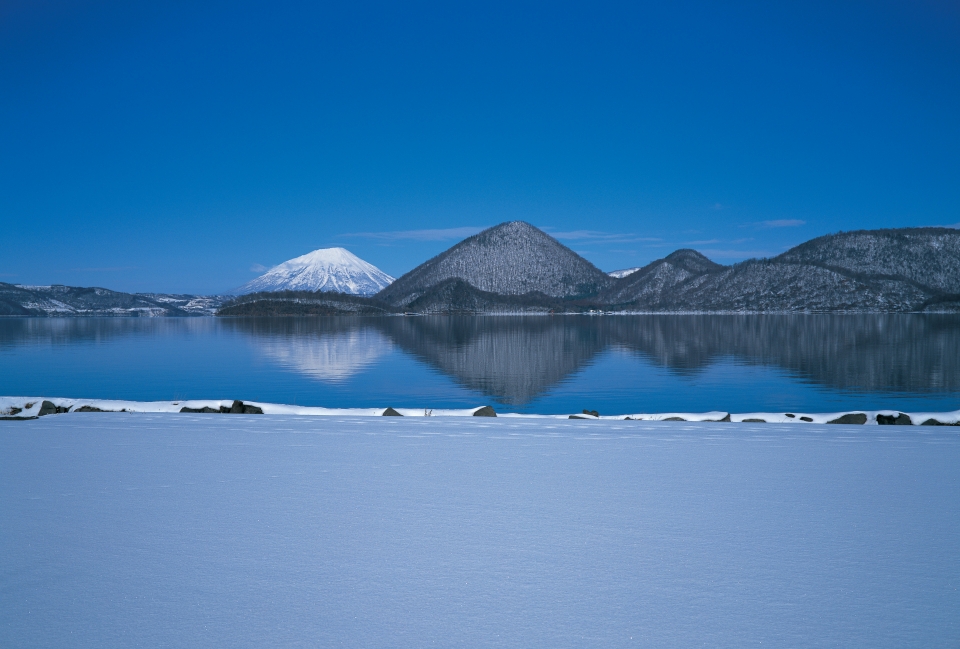
With lakes that change with the seasons and the mighty Mount Usu, this overwhelming natural beauty is undoubtedly a wonderful resource that stimulates creativity.
We at KAMENOAYUMI aim to "create a safe, secure and vibrant infrastructure." However, through repeated on-site investigations and dialogue, we have come to see a certain "structural distortion."
Specifically, it is the "shadow" behind the "light" of tourism. While inbound tourism is booming, the reality is that it is having a negative impact on the lives of local residents.
In this article, we will analyze this current situation from an expert's perspective, and then summarize the risks involved if we leave it unattended, as well as prescriptions for a sustainable future.
1. The looming crisis: the paradox of residents becoming less able to live
The current challenge facing Toyako Town can be summed up in one sentence: "The more tourists there are, the more difficult it becomes for local residents to live." In other words, this is the kind of paradox that is emerging.
In fact, from an urban planning perspective, uncontrolled demand growth places three major burdens on local areas.
1) Imbalance in infrastructure and maintenance costs
First of all, an increase in tourists causes a variety of problems, including road congestion, overcrowding on public transportation, and an increase in the amount of waste to be disposed of. Quiet residential roads are now filled with cars, and maintenance costs skyrocket. However, the problem is that much of this increased cost is covered by "taxes paid by local residents." "The benefits go to a few, and the burden is shared by all residents." As a result, this structure creates a quiet division within the local community.
② Lack of facilities and uneven profit distribution
Next, excessive demand has led to significant increases in land and commodity prices. Investment also tends to be concentrated in specific tourist areas. This has led to a growing disparity between the tourist areas and shopping districts and residential areas a little further away, creating a "profit imbalance." This threatens the peace of people's lives. Meanwhile, they don't feel any sense of wealth in return. This makes it impossible for communities to continue.
3) Leakage in the local economy
And the biggest concern is the "leakage" of the local economy. The entry of outside capital into accommodation and dining enhances brand value. However, it also solidifies a structure in which profits flow "outside the town" in the form of dividends and expenses. "The town is bustling, but no money is coming into the local area." If this situation continues, the burden on residents will only increase.
2. If nothing is done, will the 3 billion yen disappear?
You may think, "It's a tourist destination, so some inconvenience is unavoidable." However, from the perspective of tourism management, this is an extremely dangerous sign.
Who creates the landscape?
Tourists are not only looking for spectacular views, but also for well-maintained rural landscapes and clean cityscapes. In addition, the warm atmosphere created by the local residents. It is these "sceneries of life" that give the Toyako brand its depth.
So what happens if residents find it difficult to live there and start moving out? The number of vacant houses and abandoned farmland increases, and the landscape becomes desolate. In other words, the "decline in the quality of life for residents" fundamentally damages the appeal of the area.
Estimating the negative economic spiral
Let's assume that the decline in attractiveness has led to repeat customers leaving and a 5% decrease in consumption. Here, we will estimate the impact based on data from fiscal year 2024.
Furthermore, if we include the impact of day trippers,Losses of approximately 3 billion yenIt will be.
A decline in tax revenue due to a decline in residents leads to delays in infrastructure renewal. As a result, the area is seen as a "deteriorating tourist destination," further driving away visitors. This is why, in order to avoid this "negative spiral," it is essential to have a system that appropriately returns economic value to the region.
3. From conflict to coexistence: Creating a "circulation engine"
To address these issues, KAMENOAYUMI believes that urban design is needed that allows tourism and daily life to coexist and circulate, rather than creating conflict between them. Specifically, it takes the following three approaches.
First, we cannot avoid the discussion of introducing an "accommodation tax" that would resolve the burden of inbound tourism by having beneficiaries pay. What is important here is to directly link the use of the tax to "improving the quality of life for residents." By doing so, a transparent system design will foster a sense of satisfaction and a welcoming mood among residents.
Next, we need to create a dam to keep the profits that tend to flow out of the town within the town. A survey of vacant houses and vacant land is part of this. Specifically, the community will take the initiative in revitalizing and utilizing unused real estate. Then, by combining this with mechanisms such as a local currency, we can circulate the economy to local construction companies and shops.
Finally, there is an urban planning approach. Much of "tourist pollution" is caused by inadequate spatial design. Therefore, "zoning" is necessary to separate areas that create bustle from areas that maintain a quiet residential environment. In this way, we can design an appropriate distance so that tourism and daily life do not encroach on each other.
Conclusion: Turning tourists into partners
"The more tourists we have, the more beautiful our town becomes and the richer our lives become."
Only when residents realize this will tourists change from being a "nuisance" to being "partners supporting the community."
Ultimately, building this trust is the essence of sustainable tourism destination management.
We will continue to combine our expertise in architecture and civil engineering with our passion for urban development, and implement a "circulation engine" that will ensure that the wealth generated by the tourism industry circulates throughout the region.
Related Links
Inquiries and requests
We help solve local issues.
Please feel free to contact us even if it is a small matter.